BLDC

Aluminum framing systems are quietly doing some of the hardest working jobs in modern facilities: holding a machine guard in place, keeping a workbench steady, carrying a solar rail across a roof, or framing a window that has to look good for decades. At MK, we have spent years building these systems from the profile outward—T-slot extrusions, connectors, fasteners, panel mounts, floor supports, and the CNC equipment that prepares them. This guide is a practical look at how the pieces fit together, and how to choose a system you will not regret six months after assembly.
What makes a framing system different from a pile of profiles?
An aluminum framing system is not just an extrusion with a slot in it. It is a repeatable method for joining parts without welding, adjusting them without scrapping the whole build, and adding a bracket, panel, or floor support later without starting over. The T-slot is the key. It gives fasteners a place to land, lets connectors sit square, and turns a straight profile into a frame that can grow with the project.
MK's T-slot range covers 10, 20, 30, 40, 45, 50, 60, 80, 90, 100, and 120 series, with multiple sections in each. The series name is a useful shorthand for scale, not a substitute for engineering. A 40 series profile from one section can behave very differently from another 40 series section, and the same is true across the range. The table below is a starting point for matching a profile family to the kind of frame you have in mind.
| Profile family | Example MK profile | Where it often fits |
|---|---|---|
| 20 series | MK62020x | Light enclosures, small guards, prototypes, and desktop fixtures |
| 30 series | MK83030x | Compact machine frames, sensor mounts, and small workstations |
| 40 series | MK84040x | General automation frames, benches, and machine bases |
| 45 series | MK104545x | Mixed metric builds, guarding, and custom fixtures |
| 60 series | MK86060x | Larger machine frames, conveyors, and structural sub-frames |
| 80 series | MK88080x | Heavy equipment bases, tall safety structures, and long spans |
For many automation projects, the 40 series is the comfortable middle ground: substantial enough for a machine base, but still practical to handle, cut, and reconfigure. If you are starting there, the MK84040x is a practical profile to review against your load and connection plan.
The connection decisions that define the frame
Most frame problems are connection problems, not profile problems. A stiff extrusion can still feel flexible if the joints are loose, the brackets are undersized, or the fasteners cannot be reached with a wrench. That is why we treat connectors and fasteners as part of the framing system, not as add-ons chosen after the profile is cut.
- T-slot fasteners are the adjustment layer. Sliding nuts, drop-in T-nuts, flange nuts, roll-in nuts, and T-bolts let you reposition a component or add a bracket without drilling new holes.
- Structural connectors set the geometry. A 45-degree bracket, a 90-degree bracket, an L plate, a central connector, or a die-cast gusset each solves a different joint condition.
- Accessories finish the frame. End caps, cover strips, panel mounting bars, wire-mesh mounting blocks, floor brackets, leveling feet, and castors turn a profile structure into a usable workstation or enclosure.
A good rule is to choose the joint before you choose the profile section. If the joint needs a gusset, the profile has to leave room for it. If the panel needs a mounting bar, the frame layout has to provide a landing surface. If the fastener needs to be reached from the outside, the slot orientation matters from the first cut. When you are comparing bracket styles, choosing the right T-slot connector for the joint is a useful next step.
Where aluminum framing systems earn their keep
In industrial automation, aluminum framing is the common language between mechanical design, electrical layout, and maintenance. Machine frames, workstations, safety fences, conveyors, cabinets, bed frames, and even racing simulation rigs all benefit from the same logic: cut, connect, adjust, and add. The frame can arrive as a kit, be assembled on site, and be modified when the process changes.
For machine builders, the appeal is not only weight. A bolted aluminum frame is clean, repeatable, and easy to document. Panels can be mounted without welding, cable routes can be added later, and a damaged section can be replaced without cutting the whole structure apart. For a closer look at typical machine-frame arrangements, the machine frames application page is a good place to compare layouts.
 Machine Frames with MK Aluminium Profile SystemsApplication category for bolted aluminium machine frames, showing repeatable layouts for panels, cable routes, and replaceable sections.View Product →
Safety fencing and enclosures are another familiar framing project. The frame has to be rigid enough to hold panels or mesh, open enough to allow access, and tidy enough to sit inside a production area. Floor brackets, leveling feet, and corner connectors matter as much as the profile itself, because a fence that is hard to align is a fence that gets modified with a hammer.
 Safety Fences and Enclosures in Aluminium ProfilesApplication category for rigid, accessible aluminium profile fencing, with framing details for panels, mesh, floor brackets, and alignment.View Product →
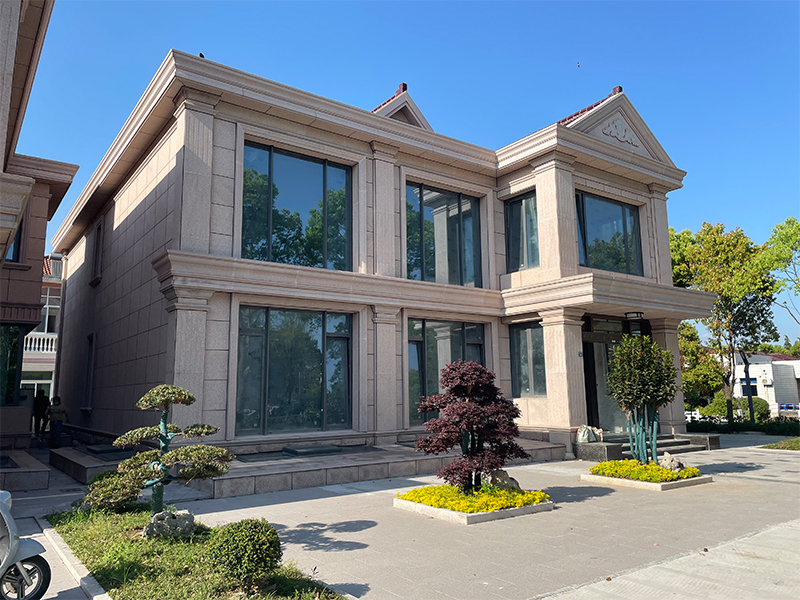
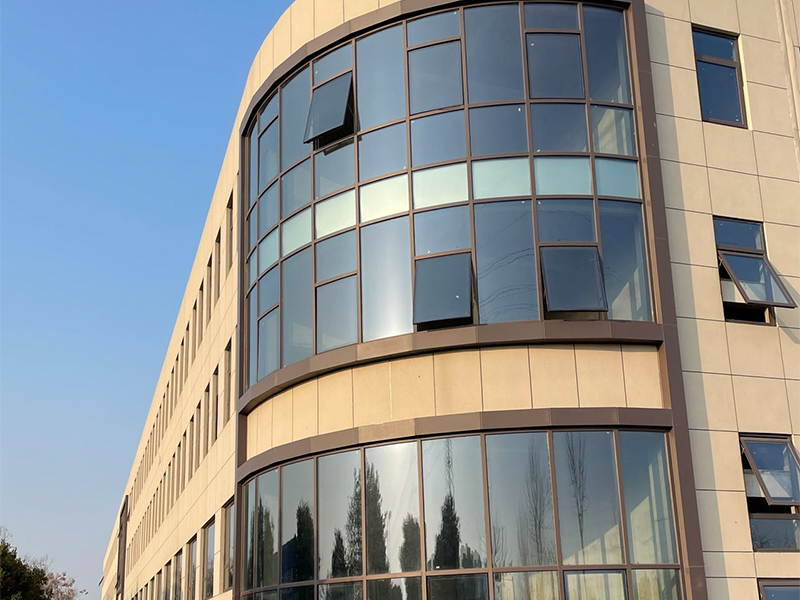
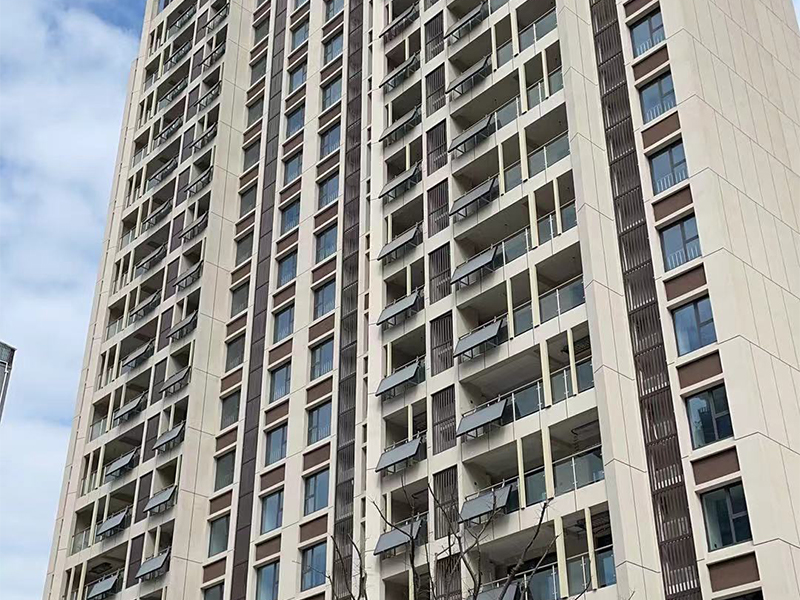
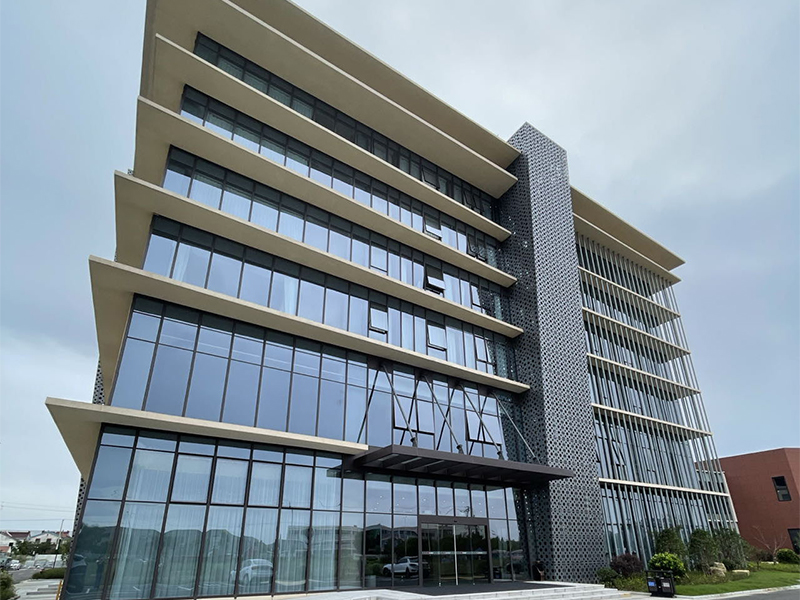
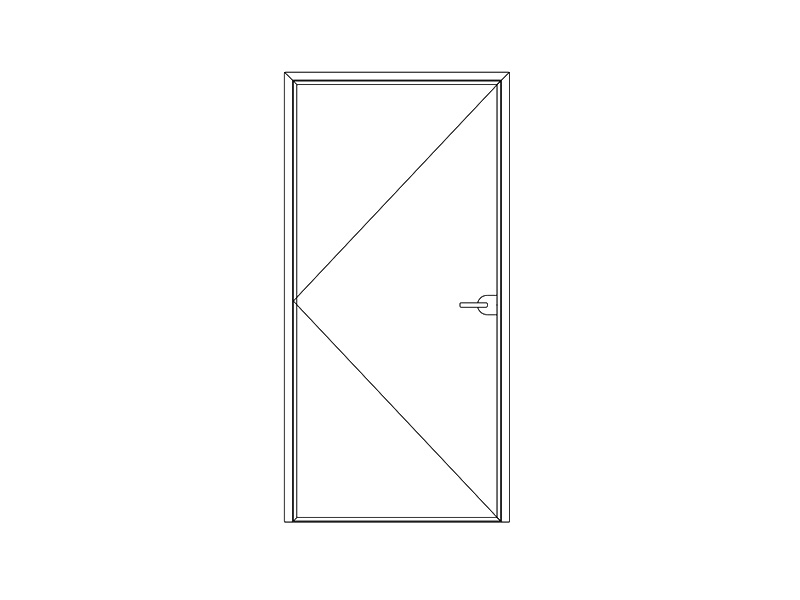
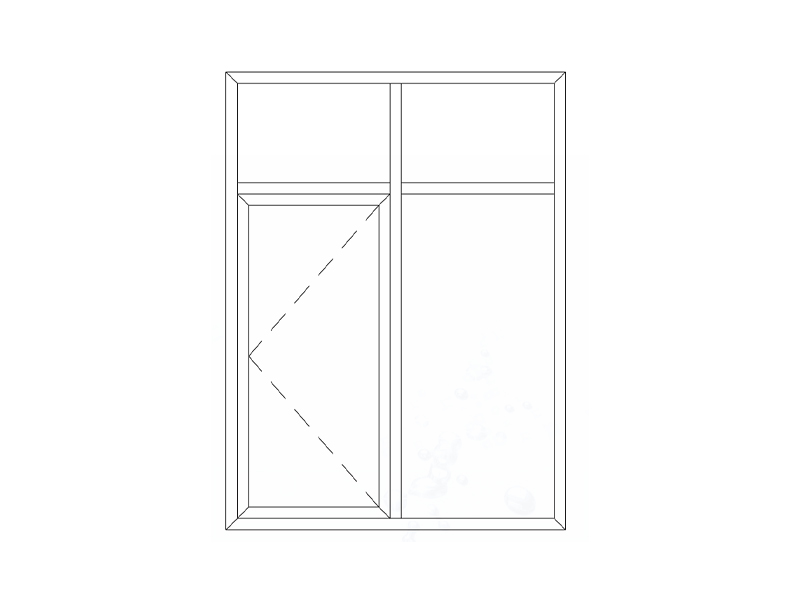
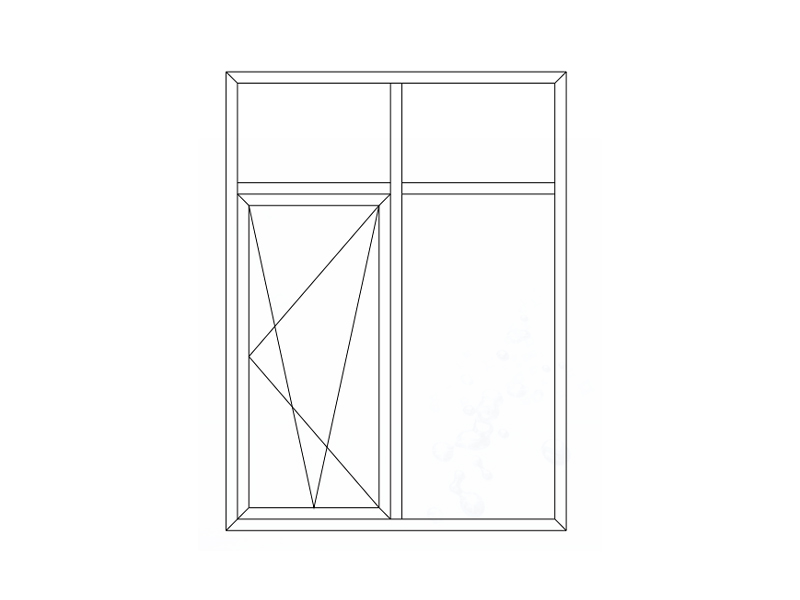
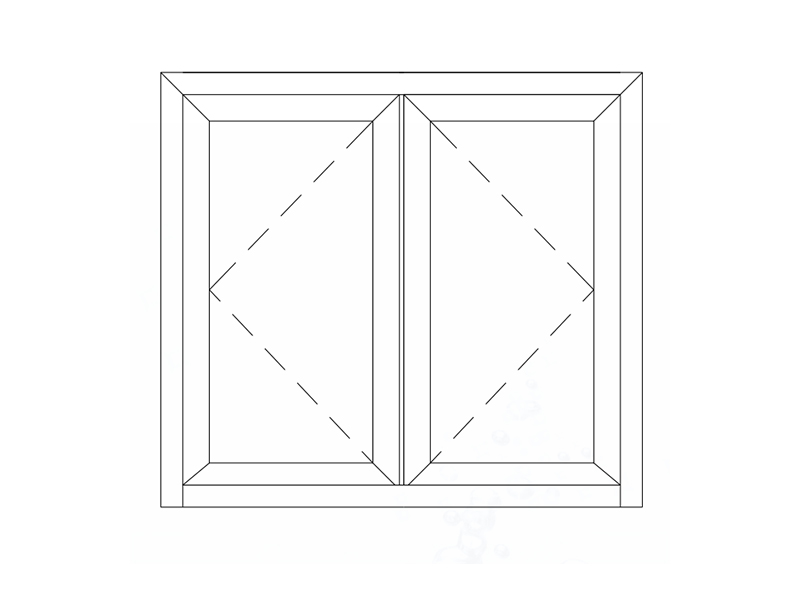
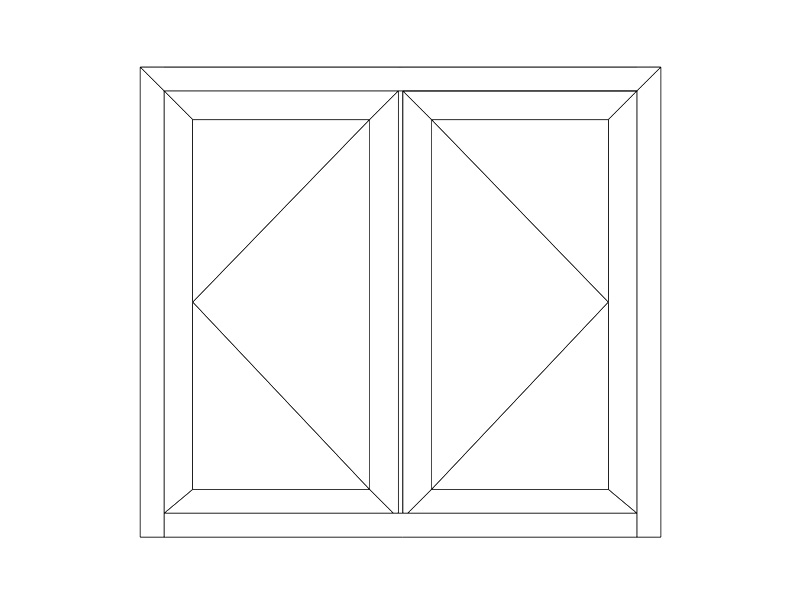
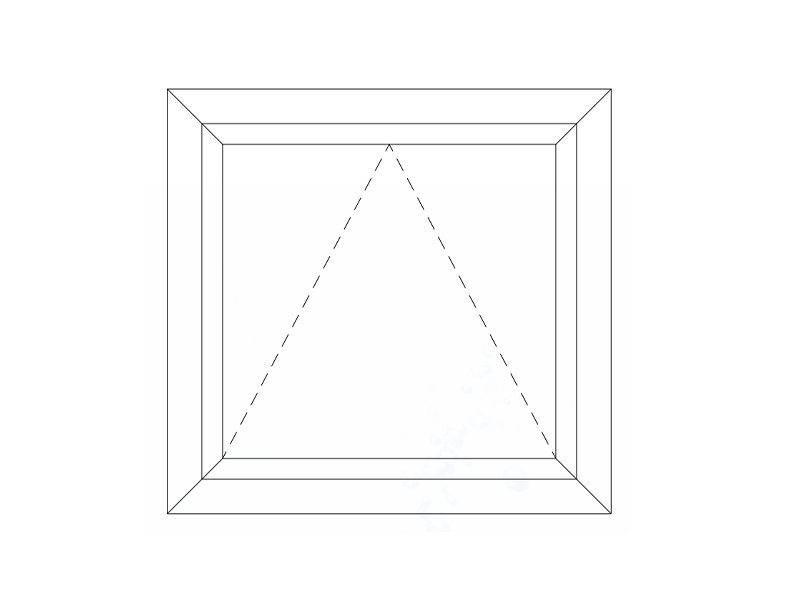
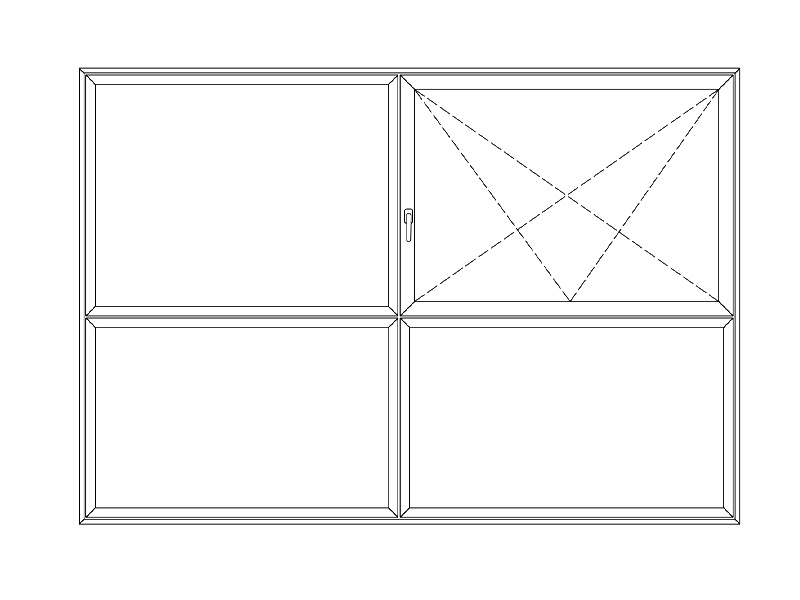
The same system thinking travels into architecture and energy. Aluminum window and door profiles, facades, balustrades, and solar racking all use extruded aluminum as a structural and visual backbone, but with different loads, finishes, and weather exposure. The framing logic is familiar; the selection criteria are not. That is why we keep the industrial T-slot system and the building and solar systems under one roof, but treat each application on its own terms.
Choosing a series without over-engineering
Over-engineering feels safe, but it adds cost, weight, and handling problems. Under-engineering feels efficient until the frame starts to deflect. The practical answer is to choose the lightest series that meets the real requirements, then verify the joints and the floor interface. These are the questions we ask most often:
- What is the load, and where does it sit? A central load on a short span is not the same as an offset load on a long cantilever.
- What deflection is acceptable? Strength is only half the story. A frame can be strong enough and still be too flexible for a precision process.
- Will the frame vibrate? Moving equipment, conveyors, and motors can loosen a joint that was only snugged by hand. The connection method has to suit the duty.
- How will panels be attached? Glass, mesh, polycarbonate, and sheet metal all need different mounting clearances and support spacing.
- How does the frame meet the floor? Leveling feet, castors, floor brackets, and anchor fasteners change both the assembly sequence and the load path.
- What environment will it live in? Indoor assembly areas, outdoor solar installations, and washdown zones place different demands on the profile and the hardware.
- What is likely to change? If the frame will be modified, leave accessible slots and avoid burying fasteners behind fixed panels.
Write these answers down before you order. A short brief with a sketch, a load estimate, and a panel plan is more useful than a long list of part numbers, because it lets the profile, connector, and fastener choices support one another.
Fabrication and assembly: the hidden cost saver
Cut quality and hole accuracy decide how easily a frame goes together. A profile that is cut slightly out of square can force every joint to fight the next one. A hole pattern that is off by a millimeter can turn a simple panel mount into an afternoon of filing. Deburred slots, clean ends, and consistent hole spacing are not cosmetic details; they are what make a framing system feel engineered rather than improvised.
This is where our CNC equipment earns its place in the conversation. MK builds CNC cutting machines, CNC tapping machines, CNC length measuring machines, automated punching machines, panel cutting machines, and solar nut drilling and tapping machines. For a framing project, the benefit is straightforward: profiles can be prepared with repeatable lengths, tapped holes, and mounting patterns before they reach the assembly bench. The result is a kit that behaves like a kit, not a pile of raw material with a drawing attached.
Even the best machine cannot fix a layout that was never thought through. Send datum surfaces, connection details, and access requirements with the drawing. Mark the faces that must stay clear for fasteners. Note where panels need support and where cables need to pass. These small notes save more time than a faster saw ever will.
Bring the system into the conversation early
Aluminum framing systems work best when the profile, connector, fastener, and panel plan are chosen together. Start with the work the frame has to do, then choose the series, then confirm the joints, then check the floor and the panels. If you begin with a catalog page and work backward, you will usually end up with a frame that is heavier than it needs to be and harder to modify than it should be.
At MK, we are comfortable working from a sketch, a sample joint, or a full drawing set. Our range covers T-slot profiles from 10 to 120 series, the connectors and fasteners that make them useful, application frames for machines and safety enclosures, architectural and solar aluminum systems, and the CNC equipment that prepares profiles for assembly. If you are planning your next frame, bring us the load, the span, and the access requirements. We will help you turn them into a system that is simple to build and sensible to live with.